


Selecting metal waste containers is not a simple procurement exercise; it is a long-term infrastructure investment with operational, financial, and regulatory implications. When container quality is compromised, corrosion, deformation and structural failures accelerate replacement cycles and inflate budgets. This article helps B2B buyers evaluate three critical quality pillars to ensure they purchase the most durable, cost-efficient solutions from expert garbage container manufacturers.
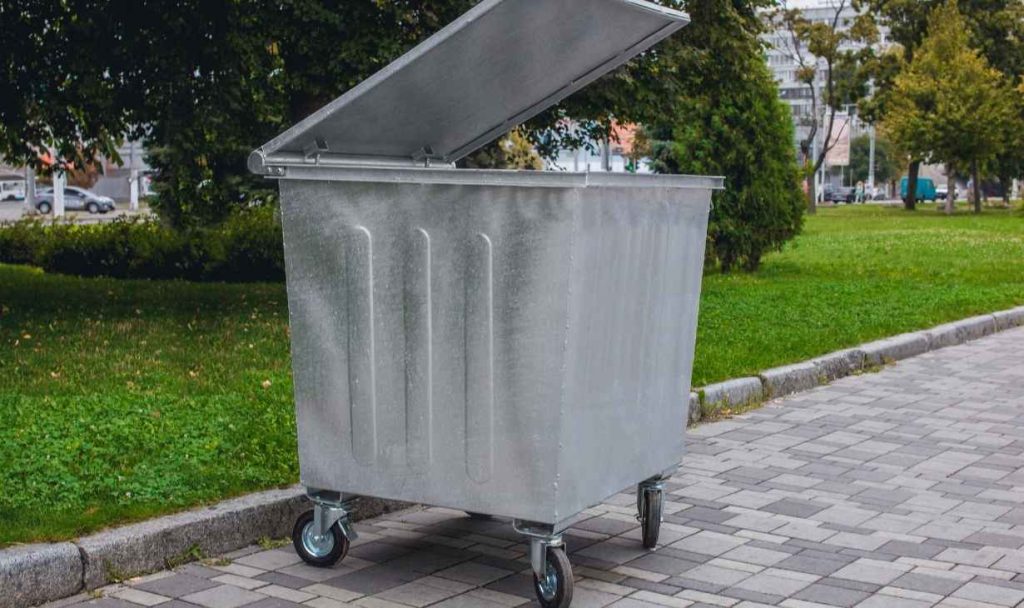
The Foundation of Durability: Galvanization Quality
What is Hot-Dip Galvanization?
Hot-dip galvanization is a metallurgical process in which metal is immersed in molten zinc, creating a tightly bonded alloy layer that protects the container against moisture, oxidation, impact and extreme environments. Unlike painted or powder-coated containers, hot-dip galvanized steel waste containers offer significantly higher corrosion resistance and longer service life.
There are four common protection processes:
- Hot-Dip Galvanization (HDG):
The strongest and longest-lasting method; molten zinc fully coats both internal and external steel surfaces. - Cold Galvanized / Pre-Galvanized Coating:
Provides minimal zinc layering; suitable for light indoor use but not recommended for municipal outdoor environments. - Electro-Galvanization:
Offers thin zinc deposition through electrical current; corrosion resistance is significantly lower than HDG. - Paint-Only or Lacquer Coating:
Provides cosmetic finish but almost zero long-term protection against rust.
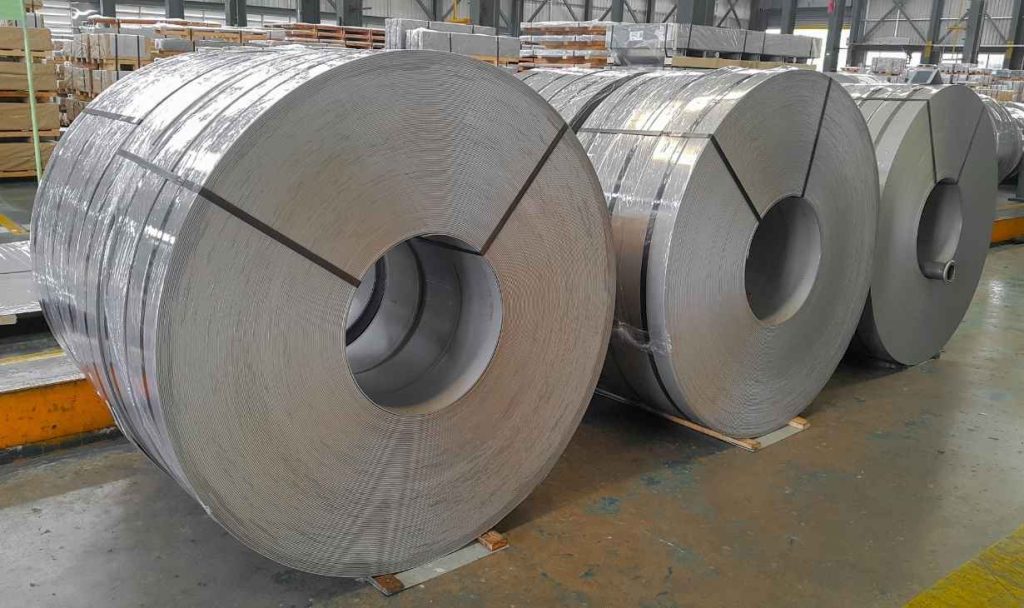
For municipalities, industry operators, and facility managers, HDG is the only method that ensures multi-year structural reliability for industrial metal waste bins.
Corrosion Resistance and Total Cost of Ownership (TCO)
Exposure to salt, humidity, cleaning chemicals or organic waste accelerates metal degradation. Electro or pre-galvanized containers may appear economical initially, yet frequent replacements and rising maintenance costs dramatically inflate TCO.
In contrast, HDG corrosion-resistant waste containers maintain structural integrity for years, reduce service interruptions and delay capex cycles. In long-term budgeting, a correctly galvanized container typically lowers total ownership cost by 30–50 percent over its lifecycle.
Testing Standards
BDB Metal manufactures containers under globally recognized certification systems:
- ISO 9001 : Quality Management
- ISO 14001 : Environmental Responsibility
These standards ensure consistent production quality, traceable processes, and compliance with international waste management directives.
Manufacturer Capacity and Export Experience
Supplier reliability depends not only on material specifications but also on the ability to maintain consistent quality at scale. With 15 years of manufacturing experience, BDB Metal has a monthly production capacity of 12,000 metal waste containers and exports waste management products to 40+ countries.
This production scale enables BDB Metal to support municipal tenders, distributor orders, industrial projects and long-term supply programs while maintaining consistent quality control and project-specific manufacturing flexibility.
Functional Design and Ease of Use
Metal Container Structural Features
The heart of a durable metal waste container manufacturer product lies in steel thickness and structural reinforcement. Containers produced with 2.0 mm or thicker side and bottom sheets withstand impact forces from heavy waste loads, collection vehicles and ground friction. To improve mobility, high-strength cast wheels and integrated brake systems ensure safe maneuverability without compromising stability. These features are essential in high-traffic industrial zones, logistics hubs, municipal depots and large campuses.
Lid Type and Hygiene Control
Lid design directly affects hygiene and odor management. BDB Metal offers domed, flat, and hinged lids for various operational conditions. Domed lids prevent rainwater accumulation, while sealed systems are ideal for hospitals, food facilities and high-sensitivity environments requiring hygienic, long-lasting waste management containers.
Garbage Truck Compatibility
Containers must align with existing fleet standards such as rear loader, side loader, or front loader systems. Standardized lifting pockets, reinforced grippers, and metric dimensions ensure seamless integration. Misalignment can cause operational delays, fleet damage, or injury risks. Standard sizes (100 L, 240 L, 770 L, 1100 L metal bins) must precisely match lifting arms and vehicle specifications.
Industry-Specific Solutions and Applications
Underground and Above-Ground Systems
Large-scale municipal operations increasingly adopt 2500–5000 L underground garbage containers for aesthetic, hygienic, and space-saving reasons. These systems reduce collection frequency and enhance urban waste infrastructure.
Special Projects & Custom Manufacturing
From hospital medical waste to university campuses and industrial facilities, customized designs (corporate colors, branding, lockable lids, fire-resistant structures) enable safer operations and stronger corporate compliance.
Maintenance and Cleaning
Metal containers withstand high-pressure washing and thermal cleaning, ensuring consistent hygiene and compliance with facility standards.
Investing in long-lasting waste management containers, heavy-duty metal garbage containers, and commercial metal trash bins requires evaluation beyond price alone. Galvanization quality, structural engineering, and compatibility with municipal waste container systems determine long-term ROI. Explore BDB Metal’s full range of galvanized containers and connect with a trusted waste container manufacturer.
BDB Metal delivers export-ready, corrosion-resistant, and high-durability solutions designed for commercial, municipal, and industrial operations. Request a customized quotation today and secure the most durable metal waste container solutions for your project.

Other News
Wholesale Galvanized Waste Containers for Municipalities: The Complete EN 840 & EN 1461 Buyer’s Guide
Buying wholesale galvanized waste containers for a municipality requires more...
Sep
DIN 30720 Skip & Hooklift Containers: Dimensions, Hook Heights and Compliance Checklist
When you are purchasing containers for construction rubble, demolition waste,...
Sep
Crane-Lifted Waste Containers Explained
When you purchase an aboveground or underground waste container, capacity...
Sep
Recycling Bins for Shopping Malls: Selection and Placement
Recycling bins for shopping malls should match the waste generated...
Sep
Shopping Mall Waste Management: Collection and Storage
Shopping mall waste management needs a continuous route from shops,...
Sep
Recycling Bins for Hotels: A Practical Buying Guide
Recycling bins for hotels need to work for both guests...
Sep
Hotel Waste Management: A Practical Planning Guide
Hotel waste management connects waste prevention, separation, internal collection and...
Sep
Recycling Symbols 1–7 Explained: What They Mean on Packaging and Bins
Recycling symbols on packaging and bins carry specific information about...
Jun
Recycling Bins for Municipalities: The Right Model for Every Public Space
Recycling bins for municipalities must serve a wide range of...
Jun