


Rubble container (skiploader container) selection is the backbone of operational risk management in any construction or demolition project. In fact, choosing the right rubble container helps ensure compliance, cost-efficiency, and uninterrupted workflow. For bulk procurement and project-specific configurations, contact BDB Metal today for a tailored quotation.
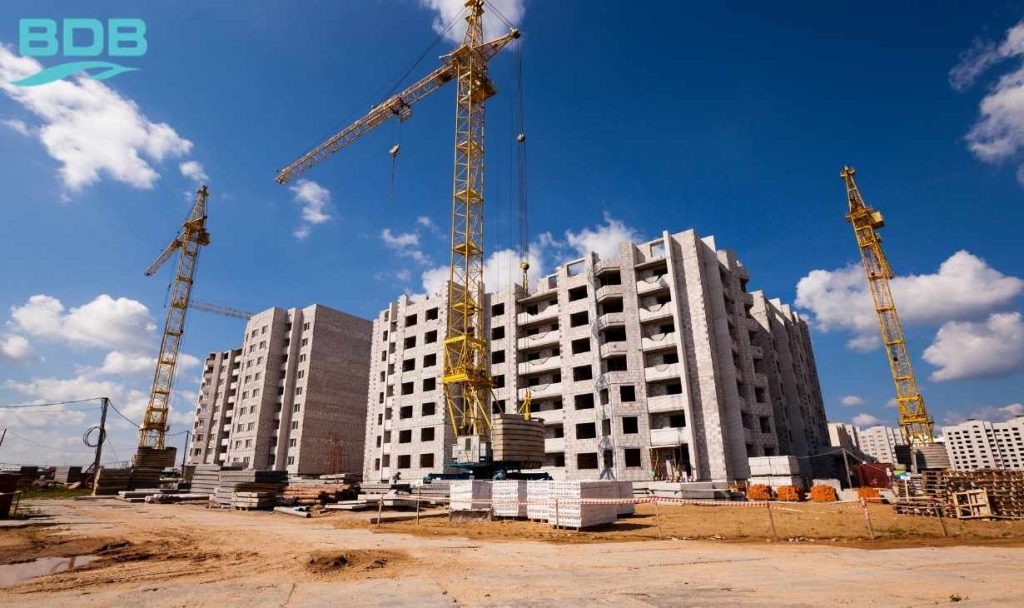
Rule 1: Accurately Determine Capacity Based on Project Scale (Target: 5m³, 3m³)
Selecting the correct rubble container capacity is the first strategic decision. The most commonly used volumes in the market include 3m³, 5m³, 7m³, and 10m³. A small renovation may operate efficiently with a 3m³ container, while large demolition operations typically require 7m³ or 10m³ units. Incorrect sizing leads to unnecessary transport trips, higher logistics costs, and inefficient site planning.
BDB Metal supports both DIN standards used worldwide:
- DIN 30720-1 (generally up to 7m³)
- DIN 30735 (7–15m³ containers)
Through customized sizes, reinforced floors, and optional tipping mechanisms, BDB Metal provides operational flexibility tailored to heavy debris handling.
Rule 2: Container Durability and Material Quality
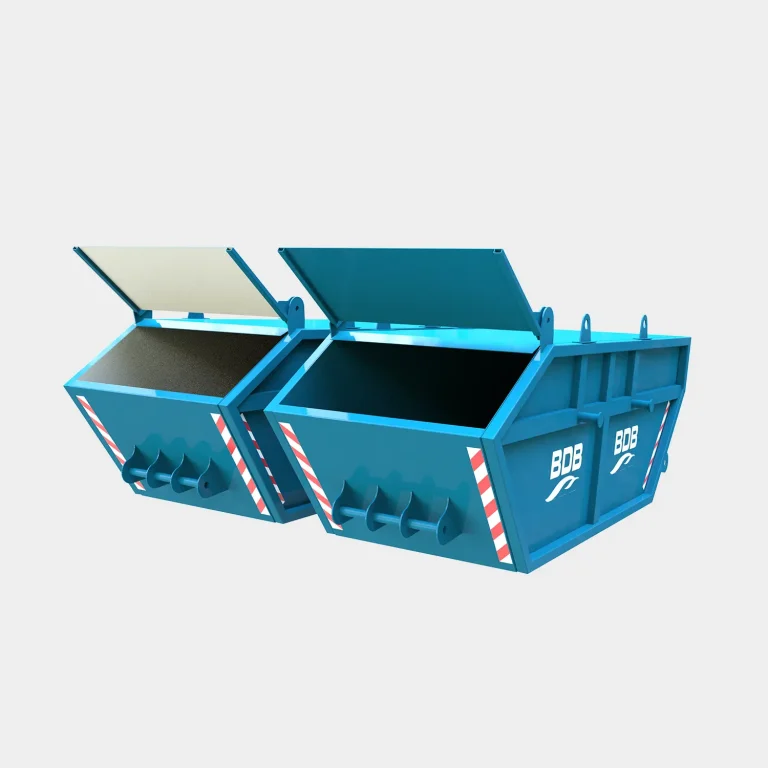
Construction debris is highly abrasive, making structural durability a core procurement criterion. Floor and side-wall thickness must be correctly engineered. Standard BDB Metal thickness recommendations include reinforced plating for both sub-7m³ and over-7m³ product groups.
Key quality considerations:
- Heavy-gauge steel plates
- Precision welding techniques
- Reinforced hook-lift systems and lifting eyes compatible with crane operations
- Compliance with international occupational safety standards
Working with an experienced skip bin manufacturer ensures reduced long-term maintenance costs and prevents premature wear. Ultimately lowering total cost of ownership. BDB Metal’s technical team also delivers custom builds for specialized project requirements.
Rule 3: Legal Compliance and Environmental Regulations
Each market operates under its own regulatory framework, and compliance is non-negotiable. Buyers must confirm which waste types may be placed in the container. Hazardous chemicals, contaminated soil, and certain industrial residues are typically prohibited.
Examples of regulatory frameworks:
- EU: “Construction and Demolition Waste (C&D) Directive”
- UK: “Environment Agency C&D Waste Guide”
- USA: “EPA C&D Waste Regulations”
Additionally, site placement permits or municipal authorizations may be required, depending on country and region. Segregating recyclable waste (metal, wood, packaging materials) using additional containers also supports corporate sustainability reporting.
Rule 4: On-Site Placement and Safety (Focus on Excavation)
Strategic placement affects both productivity and safety. Rubble container must be located close to the debris generation point but positioned so that excavators, trucks, and loaders can maneuver freely. Safety-specific measures include:
- High-visibility markings
- Stability reinforcement to prevent tipping
- Controlled pedestrian access zones
In dense urban redevelopment zones, compact logistics alternatives offer additional value. For these scenarios, BDB Metal recommends its agile solution the garbage taxi, designed for narrow streets and small-scale waste mobilization.
Rule 5: Logistics and Supplier Management
Reliable emptying cycles are critical to maintaining project schedules. A trusted supplier ensures timely collection and disposal at licensed waste facilities. Contractors must also evaluate procurement models (purchase vs. rental). While rental may suit short-term needs, long-term or multi-site operations often benefit from owning containers, with full customization and branding options.
Why Choose BDB Metal?
BDB Metal provides heavy-duty rubble container solutions engineered for long service life, high abrasion resistance, and international regulatory compliance. With export-ready manufacturing capabilities, the company serves more than 40 countries across Europe, the Middle East, and Africa. All designs can be customized according to project demands, corporate standards, and site constraints. For project-driven, standards-compliant rubble container (skiploader container) solutions and a detailed quotation, contact the BDB Metal team today.

Other News
Wholesale Galvanized Waste Containers for Municipalities: The Complete EN 840 & EN 1461 Buyer’s Guide
Buying wholesale galvanized waste containers for a municipality requires more...
Sep
DIN 30720 Skip & Hooklift Containers: Dimensions, Hook Heights and Compliance Checklist
When you are purchasing containers for construction rubble, demolition waste,...
Sep
Crane-Lifted Waste Containers Explained
When you purchase an aboveground or underground waste container, capacity...
Sep
Recycling Bins for Shopping Malls: Selection and Placement
Recycling bins for shopping malls should match the waste generated...
Sep
Shopping Mall Waste Management: Collection and Storage
Shopping mall waste management needs a continuous route from shops,...
Sep
Recycling Bins for Hotels: A Practical Buying Guide
Recycling bins for hotels need to work for both guests...
Sep
Hotel Waste Management: A Practical Planning Guide
Hotel waste management connects waste prevention, separation, internal collection and...
Sep
Recycling Symbols 1–7 Explained: What They Mean on Packaging and Bins
Recycling symbols on packaging and bins carry specific information about...
Jun
Recycling Bins for Municipalities: The Right Model for Every Public Space
Recycling bins for municipalities must serve a wide range of...
Jun